

 English

What Are Precision Sand Casting Automotive Parts?
Precision sand casting automotive parts refer to automotive components produced through the sand casting process while achieving higher dimensional accuracy and surface quality.
Here is a breakdown:
1. Sand Casting
-
One of the most traditional and widely used casting methods.
-
A mold is made from sand (usually quartz sand plus a binder), molten metal is poured in, and after cooling the sand mold is broken to retrieve the casting.
-
Features: low cost, strong adaptability, capable of large parts, but ordinary sand casting has relatively rough accuracy and surface finish.
2. Precision Sand Casting
-
Based on traditional sand casting, it improves the dimensional accuracy, surface finish, and internal quality of castings through better sand materials, molding processes, coatings, and pouring control.
-
Common processes include:
-
Resin Sand Casting
-
Shell Mold Casting
-
Lost Foam Casting
-
Vacuum Casting
-
-
Features: higher precision and better surface than ordinary sand casting, but lower cost than investment casting; suitable for small-to-medium batch production and medium-to-large parts.
3. Automotive Parts
-
Various components used in automobiles.
Combined:
Automotive components produced by precision sand casting, with better accuracy and surface quality than ordinary sand casting.
Common Product Examples:
-
Engine cylinder blocks, cylinder heads
-
Transmission housings, clutch housings
-
Intake manifolds, exhaust manifolds
-
Brake system parts (brake discs, caliper bodies)
-
Steering system parts
-
Differential housings, axle housings
-
Turbocharger housings
-
Various brackets, flanges, end covers
Recommended Products
-
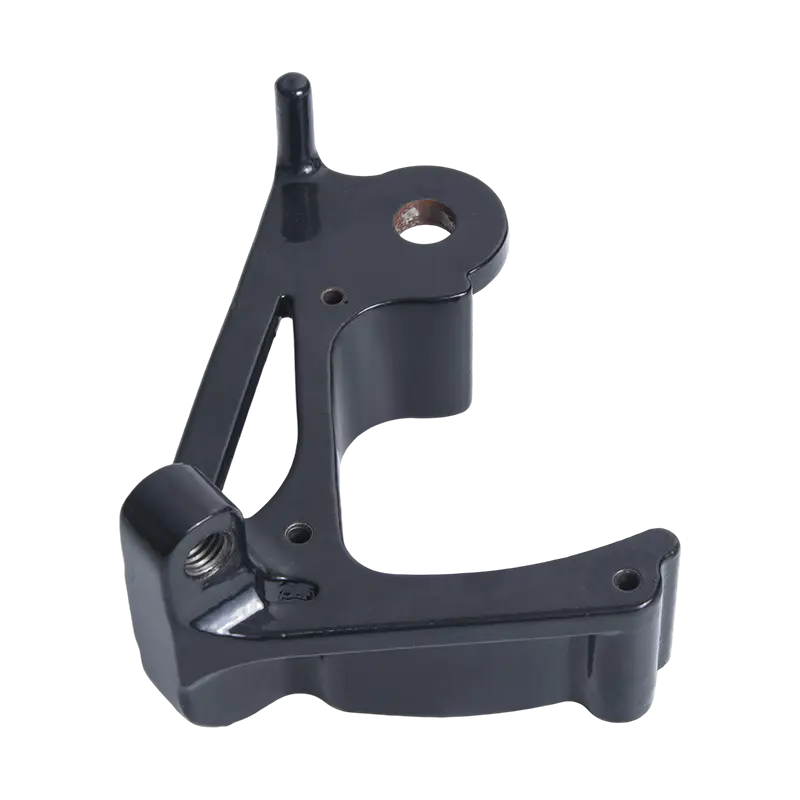
Stainless Steel Cast Vibration Damping Bracket
-
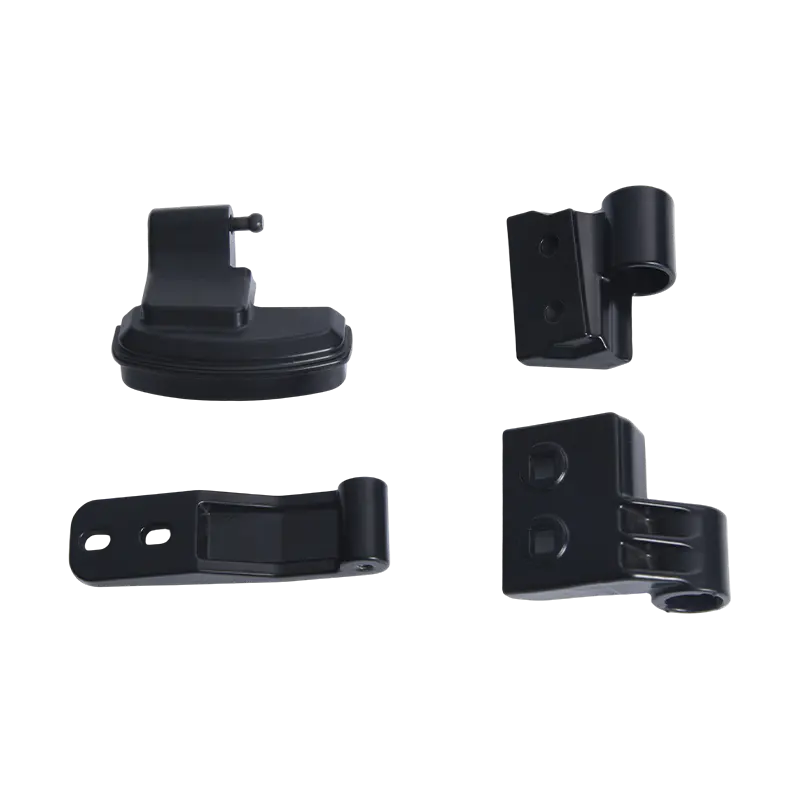
Casting Auto Carbon Steel Hinge with Powder Coating
-
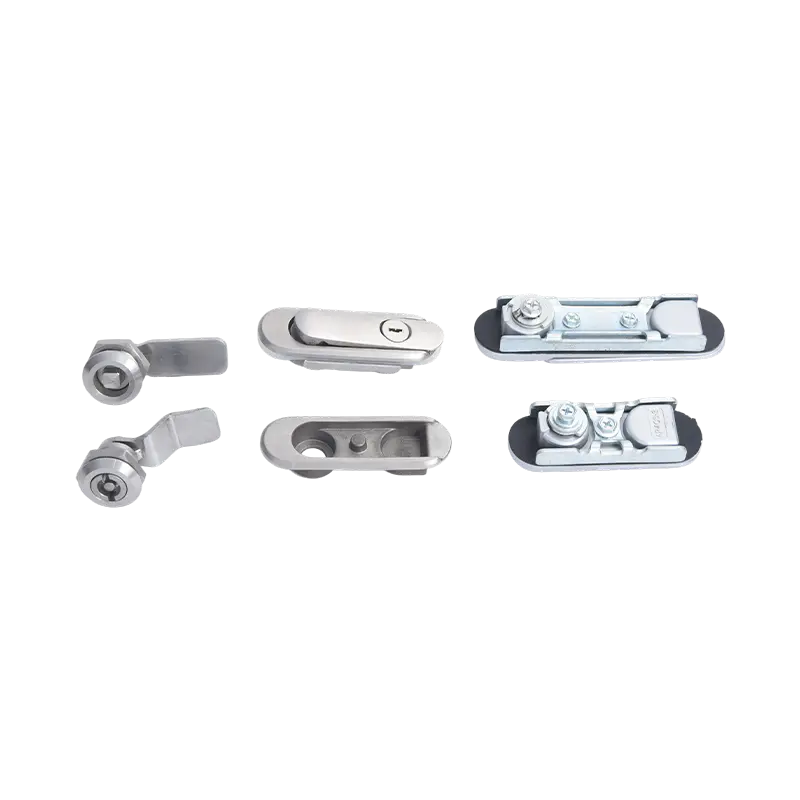
Stainless Steel Electrical Cabinet Lock Parts
-
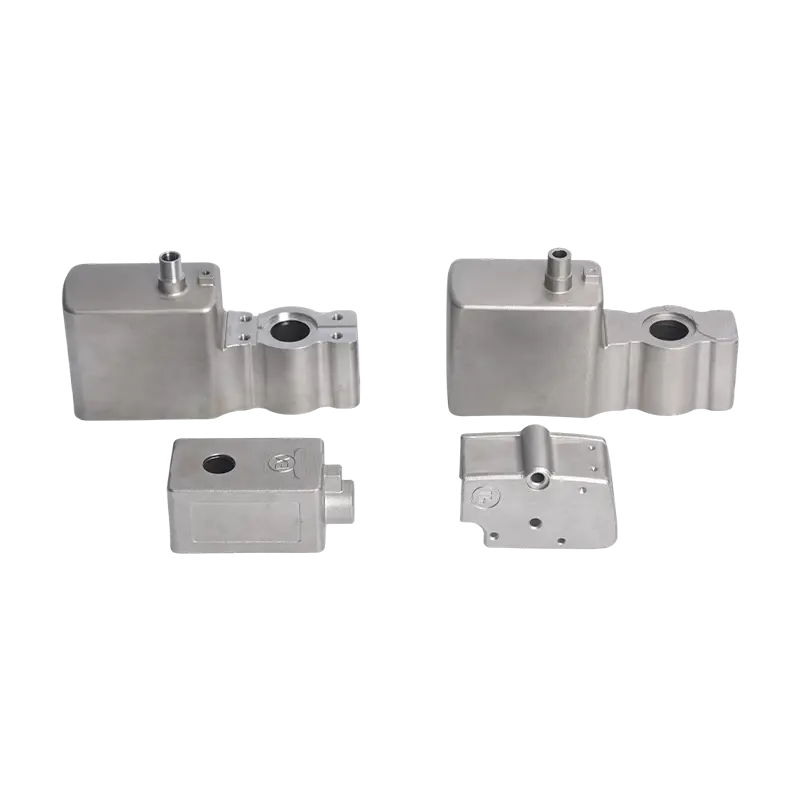
Stainless Steel Lock Housing Parts
-
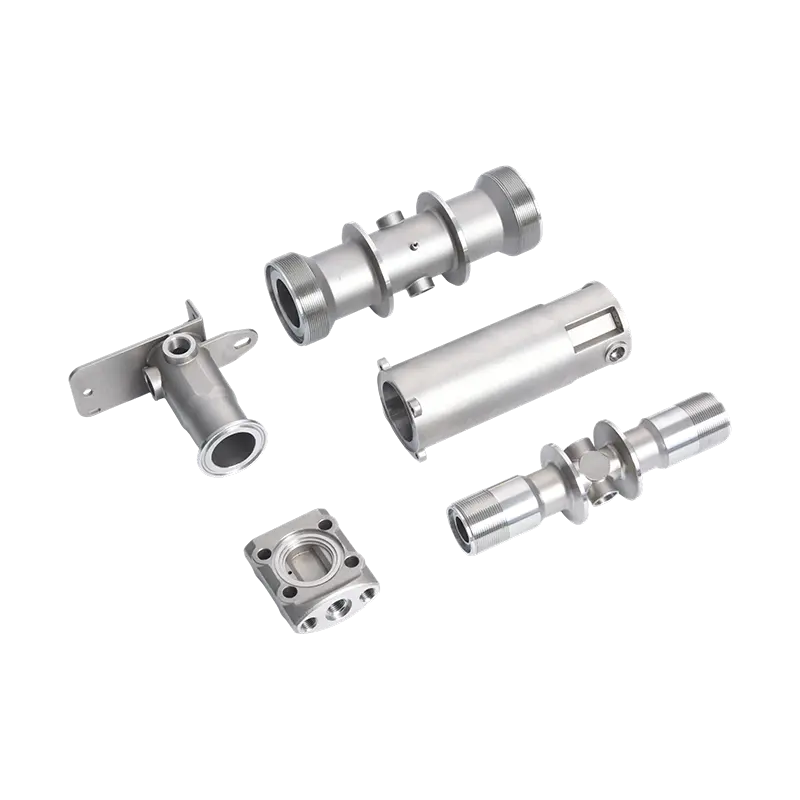
Stainless Steel lost wax casting Ultrasonic Water Meter Spool Piece
-
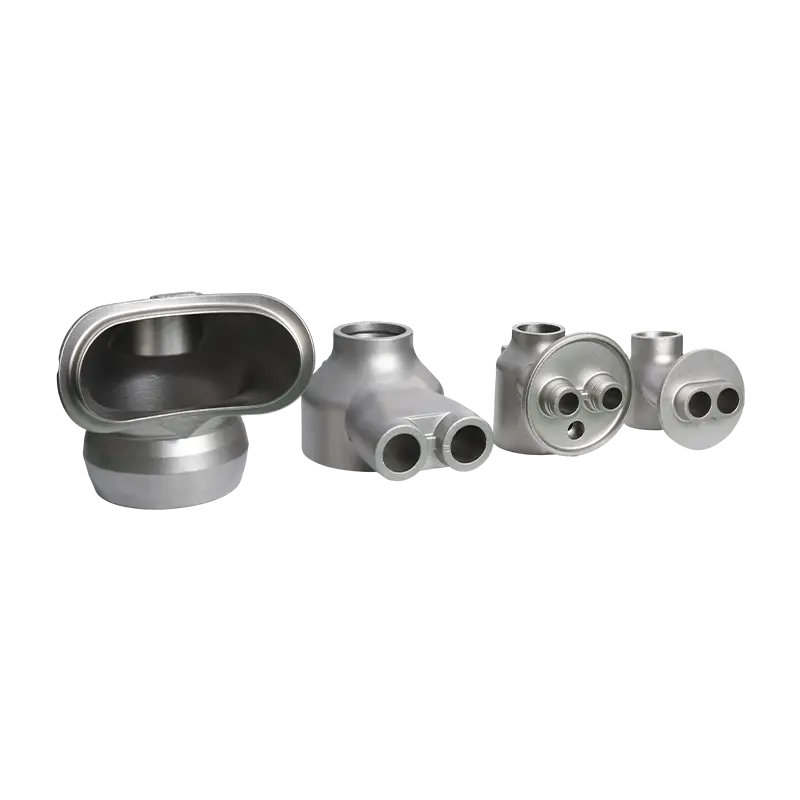
Stainless Steel Precision Casting Multi-way Rotary Diverter Valve
-
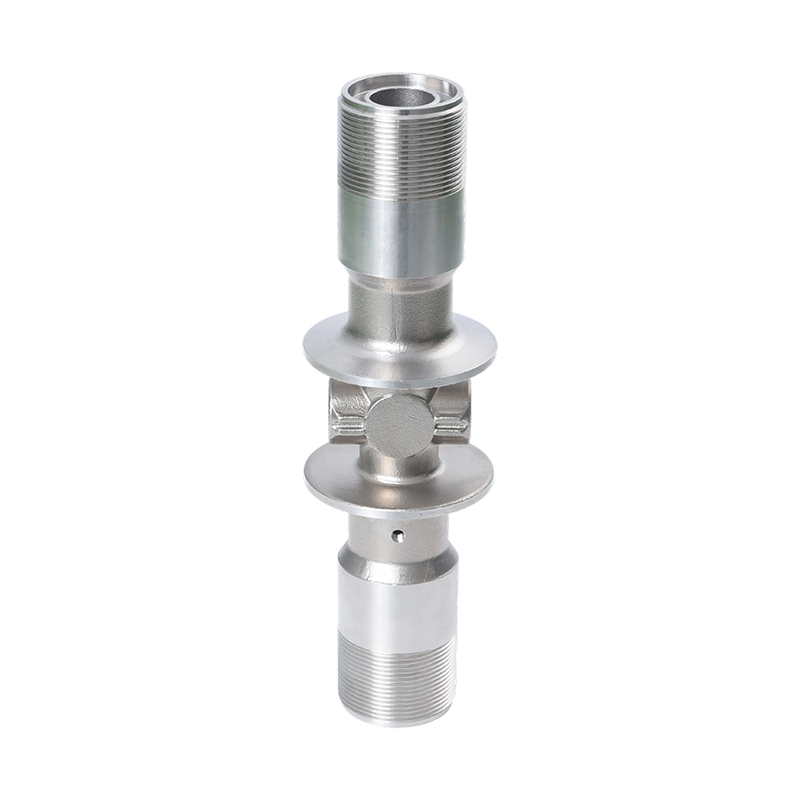
Stainless Steel Precision Casting Instrument Fittings
-
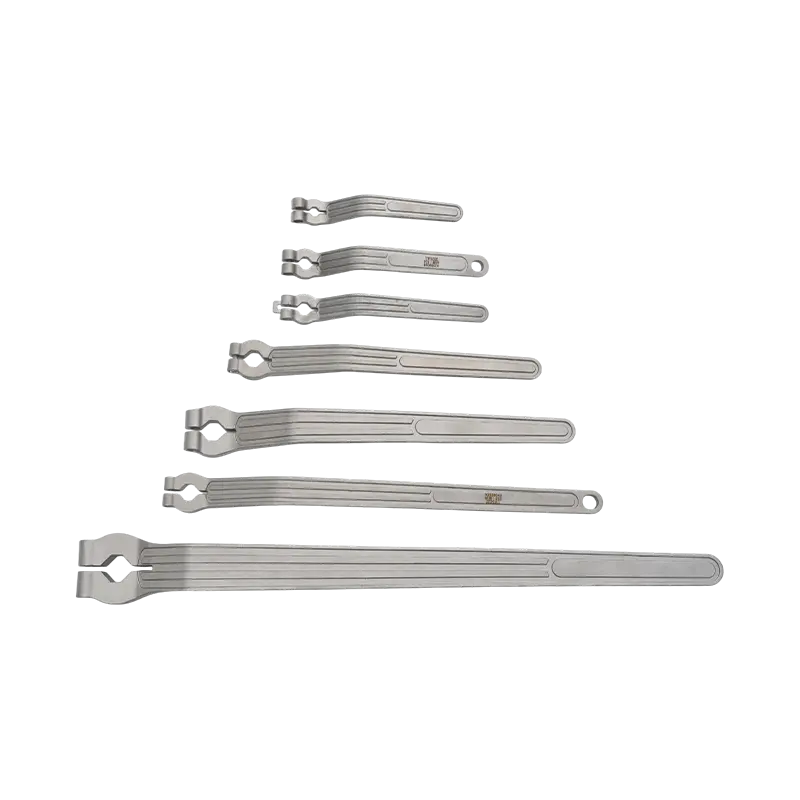
Stainless Steel Precision Casting Manual operating handle for ball valve, hexagon drive SW14
-
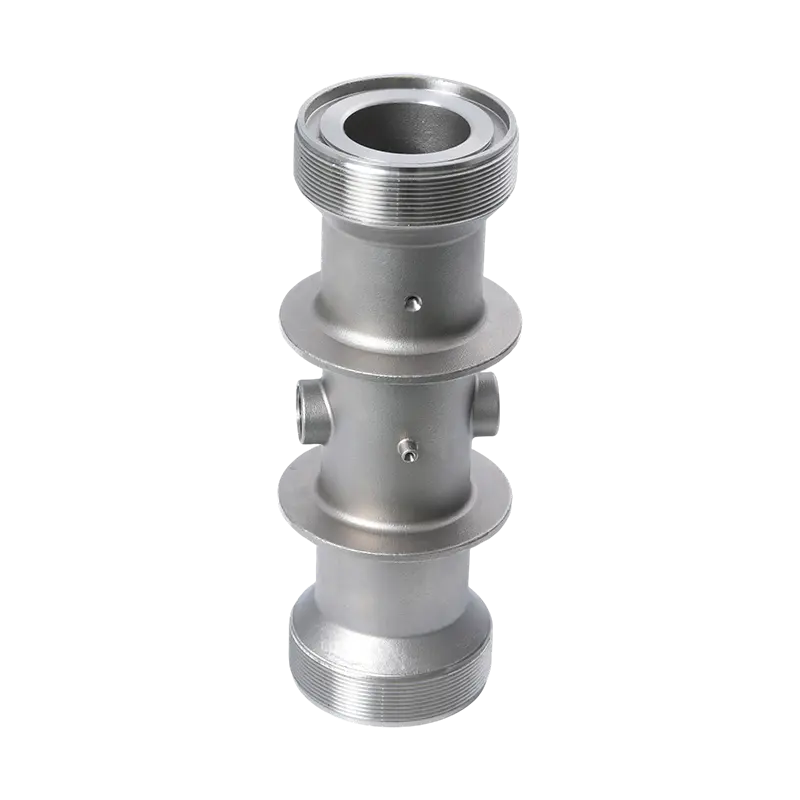
Stainless steel precision casting Instrument 3-way valve housing
-
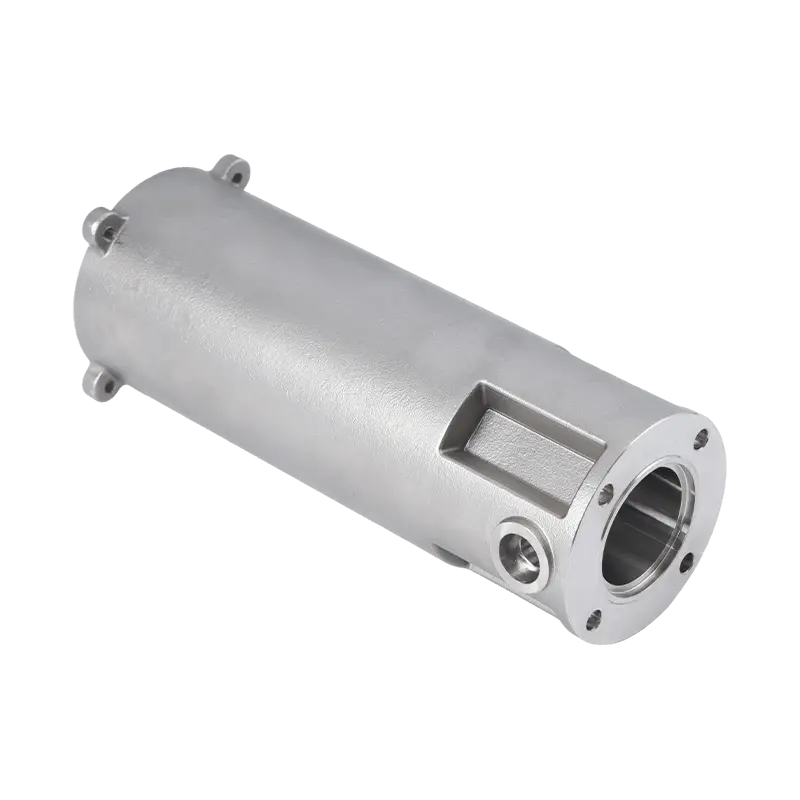
Stainless Steel Pinch Valve Housing / Pinch Valve Body
-
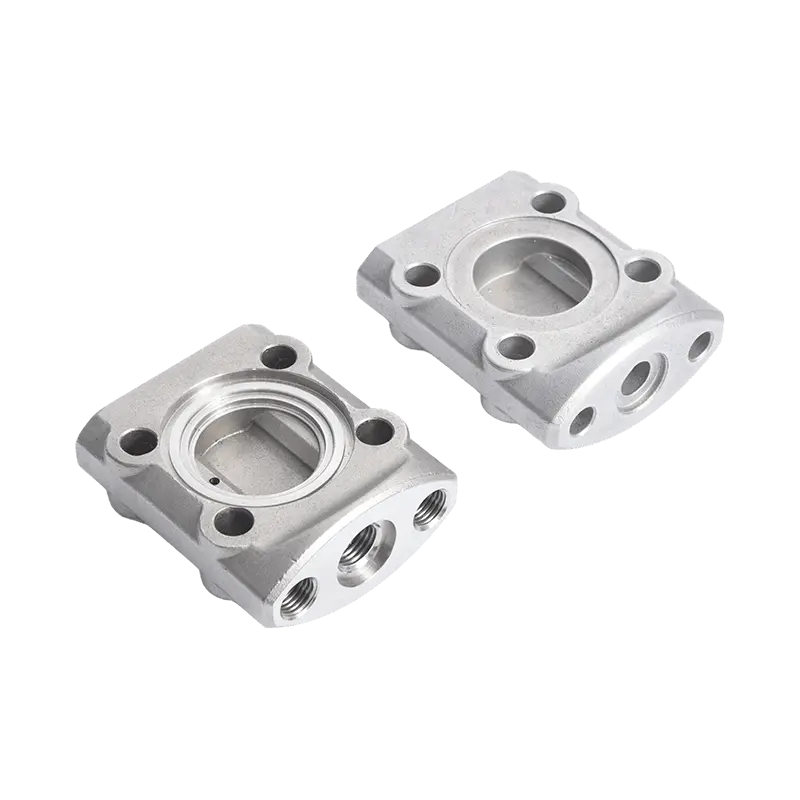
Compact Square 3-way Valve Housing by lost wax casting
-
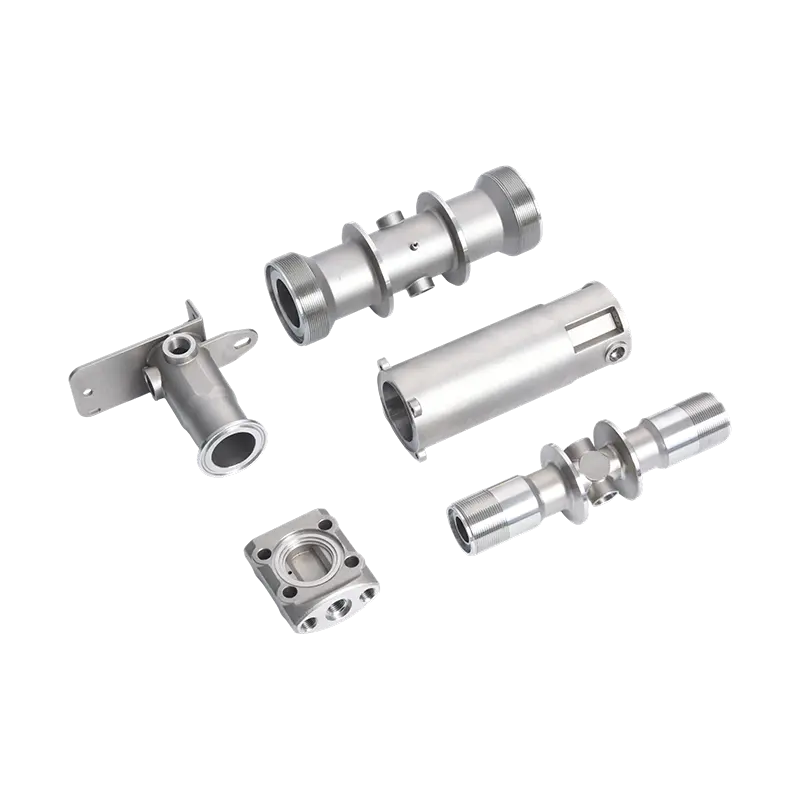
Stainless Steel Control Valve Housing / Valve Body Investment Castings
-
CONTACT US

No. 688, Jinda Road, Yinzhou District, Ningbo City

gary@sanlouistech.com

+86-18758800836

-
Quick Links
Home Products About Us Process Quality Control News Contact Us -
PRODUCTS
Automotive Parts VIM investment casting for nickel‑base superalloy components Industrial Lock Hardware Parts Flowmeter / Instrument parts Pump and Valve Components Construction Machinery Parts Agricultural Machinery Parts
